23 Nov 2026
Digital Wallet Integrations Reshaping Engagement Patterns in Racing and Sports Platforms
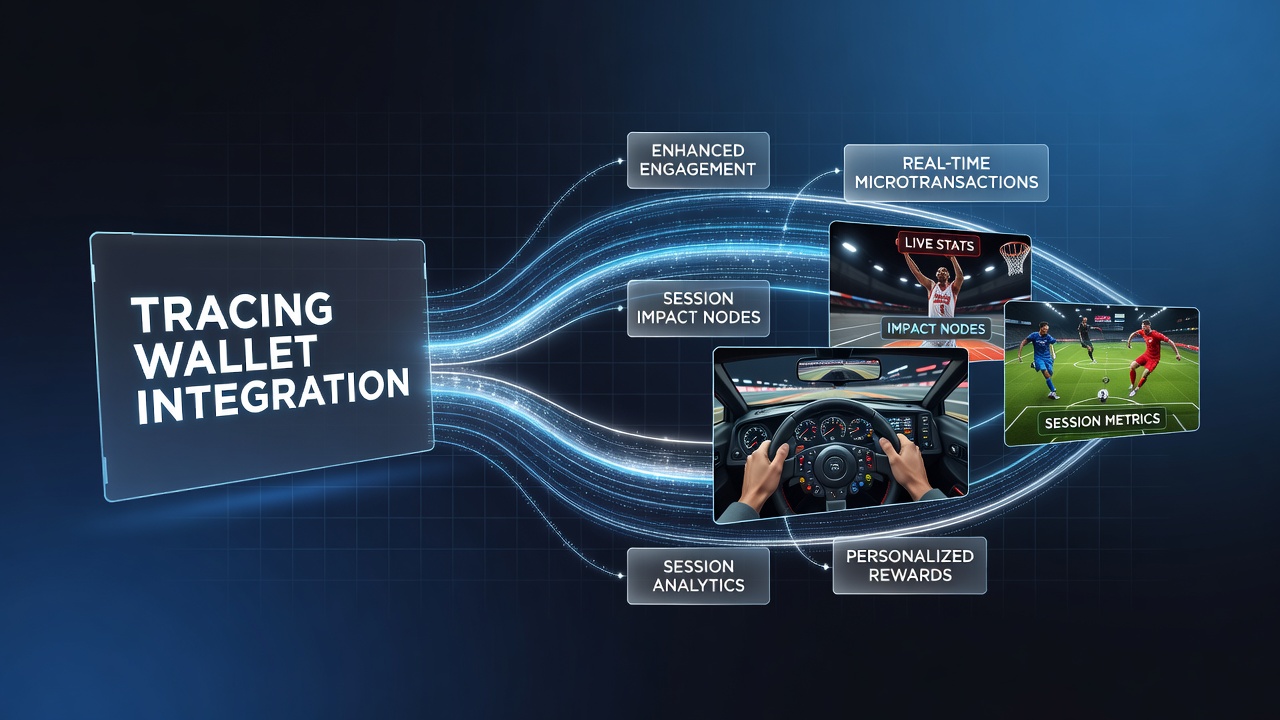
Digital wallet integrations have become a standard feature across racing and sports platforms, and researchers continue to examine how these systems alter session dynamics. Data from multiple markets shows that seamless payment connections often lead to changes in how long users remain active, how frequently they place wagers, and which types of events draw the most attention during extended periods. Observers note that platforms incorporating direct wallet access report measurable shifts in user flow compared with those relying on traditional deposit methods.
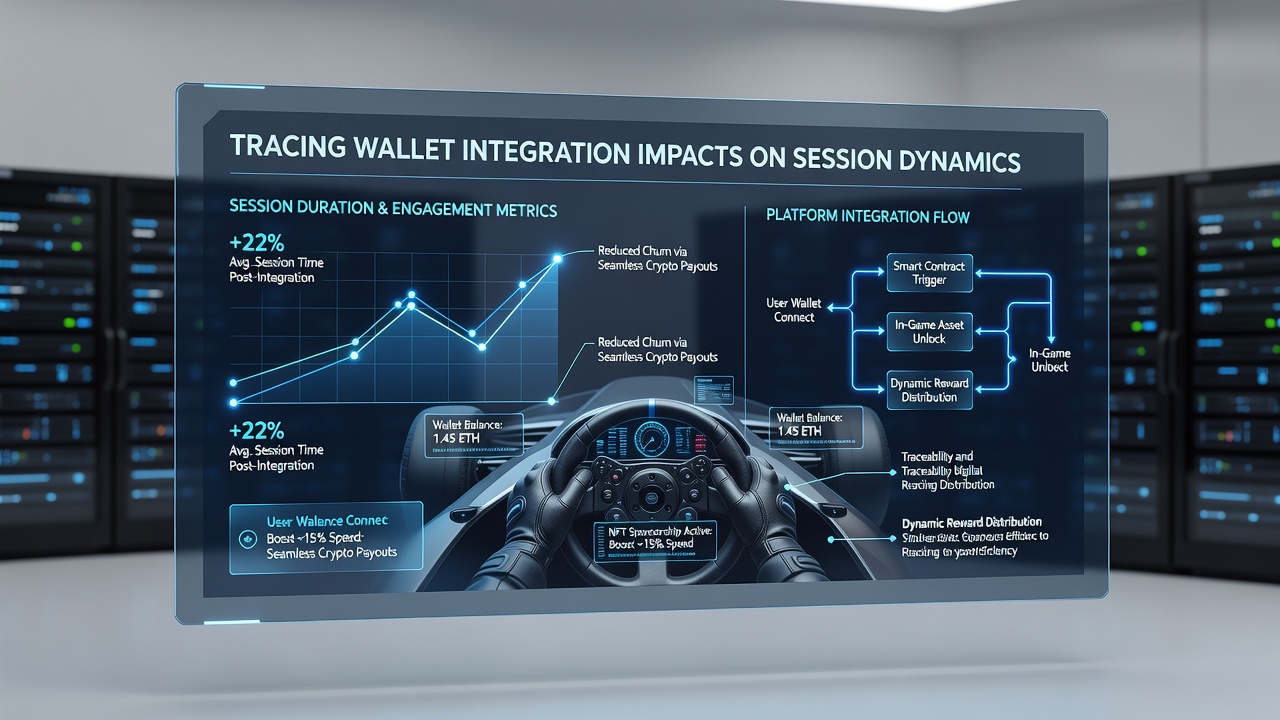
Studies tracking session lengths reveal that users who connect digital wallets tend to complete initial funding steps faster, which reduces drop-off rates at the start of a visit. This pattern holds across both thoroughbred racing events and major football matches, where quick top-ups allow participants to stay engaged through multiple races or game segments without interruption. Figures from industry reports indicate that average session duration increases by noticeable margins when wallet options sit alongside event feeds rather than requiring separate navigation.
Session Metrics and Wallet Connectivity Trends
Platforms that embed wallet functions directly into live dashboards record higher numbers of micro-transactions during peak hours, according to analyses conducted in late 2025 and continuing into November 2026. These smaller, repeated actions replace larger single deposits in many cases, and they keep users inside the interface for longer stretches. Researchers at several academic centers have documented that wallet-linked accounts show more consistent activity across consecutive events, whether those involve horse racing circuits or basketball tournaments.
What's interesting is how wallet verification processes interact with session continuity. Once initial setup completes, subsequent logins bypass some of the earlier checkpoints, which streamlines re-entry. Data from North American and European platforms suggests this convenience factor contributes to repeat visits within the same day, particularly when racing cards or sports schedules feature overlapping timings. Users who maintain active wallet connections also demonstrate different patterns in how they allocate funds across multiple bet types during a single sitting.
Regional Data Variations in Wallet Adoption
Reports compiled by the Australian Gambling Research Centre highlight that wallet integrations in Australian racing platforms correlate with steadier session pacing compared with older payment routes. Similar observations appear in Canadian analyses, where integrated systems link to extended viewing times around major sports fixtures. These findings emerge from aggregated user logs rather than individual case studies, and they point to broader behavioral adjustments once wallet friction decreases.
Platforms operating in multiple jurisdictions track how wallet features perform under varying regulatory conditions. In regions where instant transfers receive approval, session data shows tighter clustering of activity around live updates, whereas slower approval environments produce more spaced-out interactions. November 2026 data releases from several monitoring bodies are expected to provide additional clarity on whether these patterns stabilize or shift with new wallet providers entering the market.
Transaction Flow and Event-Specific Behaviors
Event-specific behaviors emerge when wallet integrations allow direct linking to race or match data streams. Users often move from viewing odds to confirming wagers without leaving the main screen, and this reduces the number of abandoned carts mid-session. Research indicates that racing platforms see pronounced effects during evening meetings, where multiple races follow one another in quick succession, while sports platforms register similar trends during tournaments that span several days.
One study revealed that wallet users adjust their bet sizing more frequently within a session, responding to live updates with smaller increments rather than committing larger amounts upfront. This approach keeps funds circulating longer and extends overall time spent on the platform. Observers tracking these movements note that the effect appears consistent across different age groups and geographic locations, though the magnitude varies with the complexity of the wallet interface itself.
But here's the thing: not every integration produces identical results. Platforms that combine wallet access with real-time balance displays tend to sustain longer sessions than those offering only basic transfer buttons. The difference shows up in how users navigate between events, with smoother transitions supporting continued participation through additional races or matches.
Conclusion
Tracing wallet integration impacts requires ongoing review of session data across racing and sports environments. Evidence collected through 2026 points to measurable changes in duration, transaction frequency, and event focus once digital wallets become part of the core experience. Further reports scheduled for release will help clarify whether these shifts continue to evolve as new wallet technologies reach wider adoption.