26 Oct 2026
Interface Components Driving Session Lengths in Live Betting Platforms
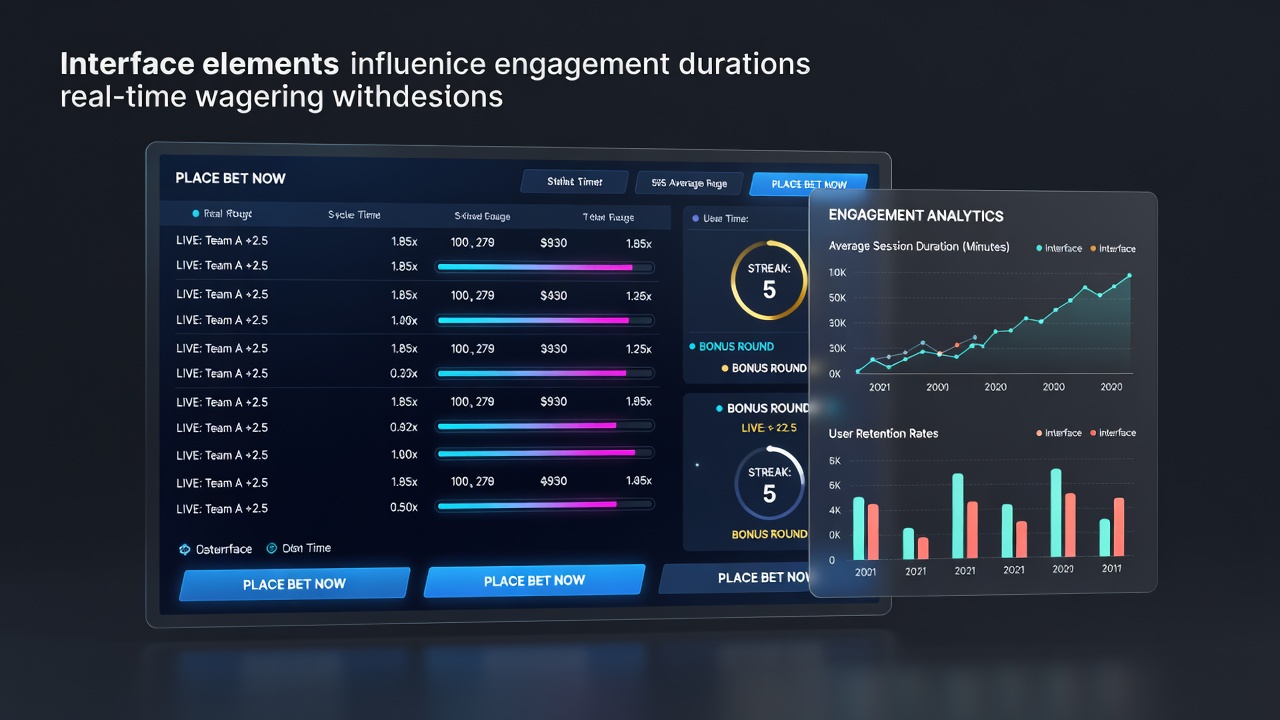
Real-time wagering environments rely on specific interface elements to guide how long users remain active during events, and data from multiple regions shows measurable connections between design choices and engagement patterns. Observers note that features such as dynamic odds panels, instant notification banners, and one-tap betting controls often correlate with extended session times, while platforms that incorporate countdown timers for upcoming markets tend to see shifts in user behavior around peak event moments.
Studies conducted across North American and European markets indicate that visual hierarchy plays a central role, with larger call-to-action buttons positioned near live score feeds drawing repeated interactions. Researchers tracking user flows have found that color-coded status indicators for active bets reduce navigation friction, allowing participants to stay within the main dashboard rather than switching screens frequently. In October 2026, reports from the Australian Communications and Media Authority highlighted how similar layout adjustments in regulated markets aligned with sustained activity levels during major sporting fixtures.
Notification Systems and Their Influence on Retention
Push notifications and in-app alerts form another layer that shapes duration, particularly when they deliver context-specific updates about changing odds or new micro-markets. Those who analyzed platform logs across multiple operators observed that users receiving fewer than three targeted alerts per hour maintained longer continuous sessions compared to those exposed to higher volumes, which sometimes prompted quicker exits. What's interesting here is the timing element: alerts synchronized with live event pauses, such as between innings or quarters, produced different retention curves than random distributions.
Interface customization options also factor into these patterns, as sliders for adjusting animation speed or toggles for compact versus expanded views let individuals tailor their experience. Data from industry reports shows that users who activated personalization settings early in a session often extended their time by noticeable margins, especially when combined with persistent bet slip previews that update without page reloads.
Visual Feedback Mechanisms in Action
Progress bars indicating remaining time until market closure, along with subtle haptic feedback on mobile versions, contribute to a sense of ongoing momentum that keeps attention focused. One analysis of Canadian online wagering data revealed that platforms integrating these elements recorded higher average session lengths during evening hours, when live events cluster. The placement of balance indicators and quick-deposit shortcuts near primary betting areas further minimizes interruptions, allowing uninterrupted flows through multiple wagers.
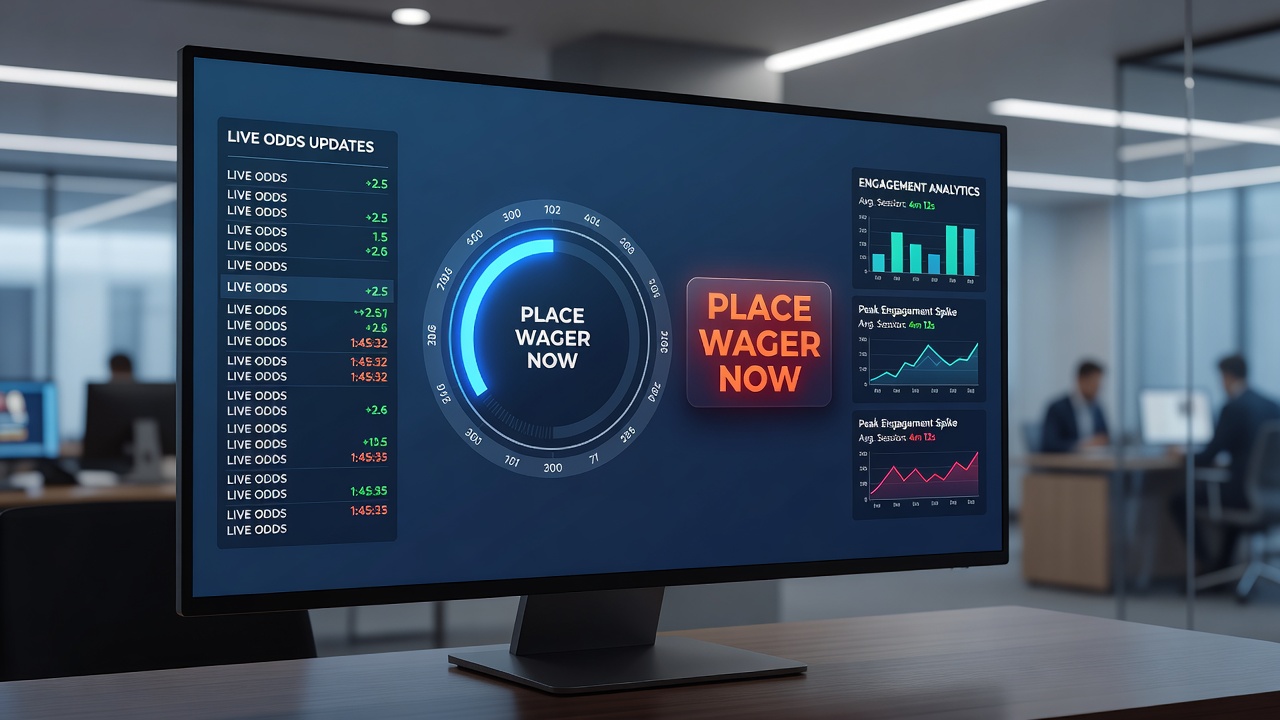
Take one case where experts examined European platform variants: those with streamlined menu structures that collapse secondary options during high-activity periods showed steadier engagement compared to fuller layouts. Observers tracking October 2026 trends noted similar adjustments appearing in response to user behavior metrics shared by regional trade groups.
Comparative Effects Across Device Types
Desktop interfaces often emphasize multi-window support and keyboard shortcuts, which research links to prolonged sessions among users managing several events simultaneously, whereas mobile designs prioritize thumb-friendly zones and swipe gestures for market navigation. Figures from academic reviews at institutions in the United States suggest these differences account for distinct engagement profiles, with tablet users falling somewhere in between due to larger touch targets and split-screen capabilities.
Sound cues tied to bet confirmations or market shifts add another dimension, though their effectiveness varies by demographic according to aggregated industry data. Platforms that allow volume controls or mute options within the interface itself tend to retain users who prefer quieter environments, while others respond positively to layered audio that reinforces live action without overwhelming the visual feed.
Conclusion
Overall patterns demonstrate that interface elements work together rather than in isolation, with combinations of real-time updates, accessible controls, and adaptive layouts consistently associated with varying engagement durations across real-time wagering platforms. Continued monitoring by regulatory bodies outside the UK, including those in Australia and North America, along with academic examinations of user telemetry, continues to refine understanding of these dynamics as environments evolve through 2026 and beyond.