28 Sep 2026
Self-Exclusion Tools and Their Impact on Digital Betting Behaviors
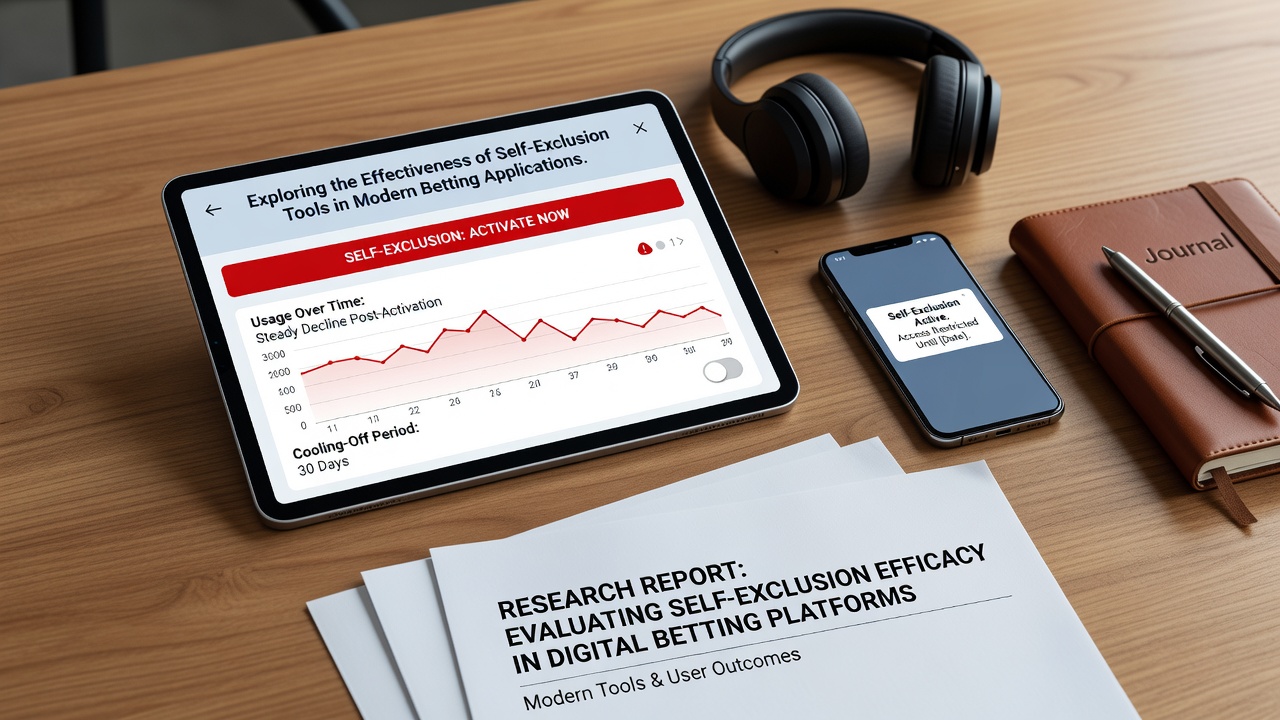
Self-exclusion tools allow individuals to restrict their access to betting platforms for predetermined periods, and these features have become standard components in many digital wagering applications since their wider adoption in the early 2010s. Operators integrate these options through account management dashboards where users select exclusion durations that range from several months to permanent blocks, with the systems then preventing logins, deposits, and promotional communications during the chosen timeframe.
Operational Mechanics in Contemporary Platforms
Modern applications employ automated verification processes that cross-reference user details against national exclusion registries, and this linkage ensures that once a person activates self-exclusion on one site, the restriction often propagates across multiple operators through shared databases. Developers build these tools with multi-factor authentication steps that confirm the user's intent before activation, while backend algorithms monitor for attempts to create new accounts using alternate credentials.
Research from regulatory bodies in various regions shows that registration rates for these tools have risen steadily, with figures from the Australian Gambling Research Centre indicating over 45,000 active self-exclusions recorded across state-licensed platforms by mid-2025. Applications now incorporate reminder notifications at the end of exclusion periods, and some systems require cooling-off intervals before reinstatement to reduce impulsive reversals.
Evidence from Regulatory and Academic Evaluations
Studies conducted by independent research teams have tracked usage patterns across North American and European markets, and data compiled by the Ontario Problem Gambling Research Centre reveals that approximately 62 percent of self-excluded users maintained their restrictions without breach attempts over a 12-month observation window ending in 2025. These evaluations compare pre-exclusion betting volumes against post-exclusion activity logs, which demonstrate measurable declines in transaction frequency for compliant participants.
Platforms in Canada have reported integration with provincial helpline services since 2024, and this connection routes users who attempt to override exclusions toward counseling resources rather than immediate reinstatement options. Figures released in September 2026 by the Canadian Centre on Substance Use and Addiction documented a 28 percent increase in self-exclusion enrollments following the introduction of app-based quick-access toggles.
Technological Enhancements and Cross-Platform Coordination
Developers have added biometric confirmation layers and geofencing capabilities that detect location-based access attempts, while machine learning models flag patterns suggestive of circumvention such as repeated password resets or device changes. Industry reports from the European Gaming and Betting Association highlight collaborative data-sharing protocols among operators that reduce duplicate registrations and improve enforcement consistency across borders.
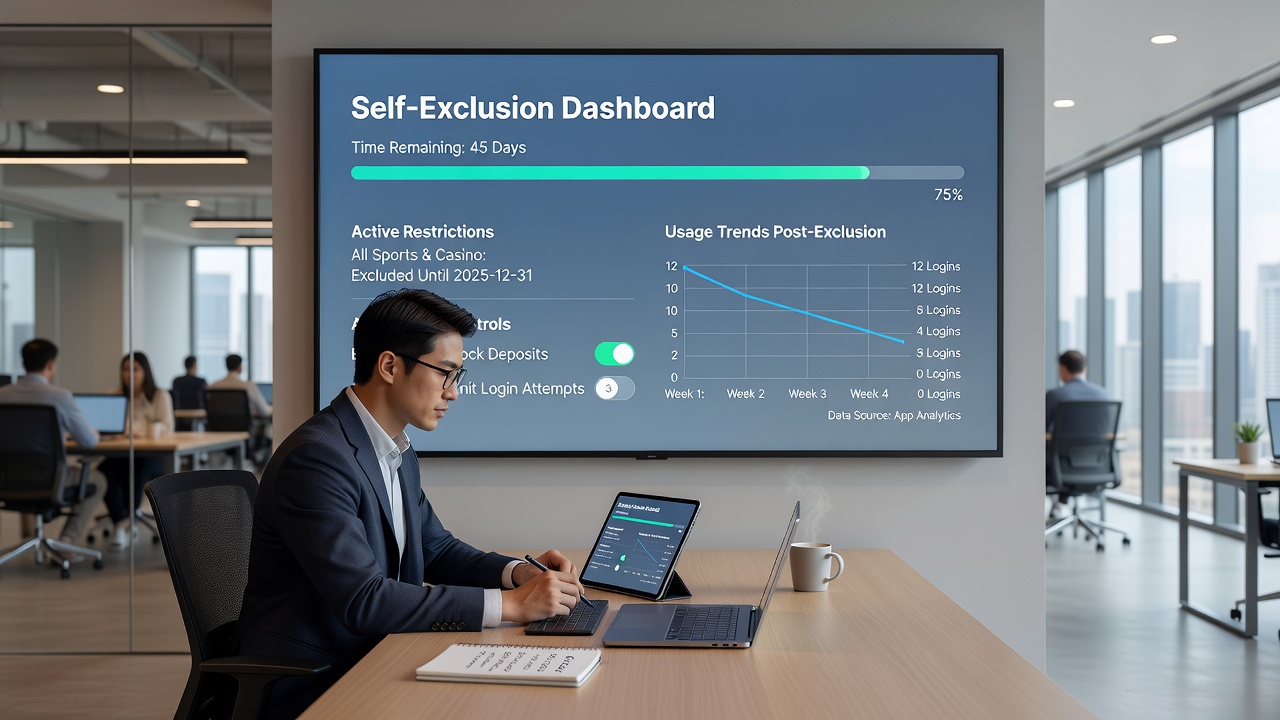
One study released by researchers at the University of Nevada in 2025 examined over 12,000 user accounts and found that apps offering in-app counseling referrals alongside exclusion tools recorded higher long-term adherence rates compared with those providing exclusion features in isolation. These findings emerged from longitudinal tracking that followed participants for up to 18 months after initial enrollment.
Limitations Observed in Practice
Despite coordination efforts, gaps remain when users operate across unlicensed or offshore platforms that do not participate in national registries, and analysts note that enforcement relies heavily on accurate identity verification at signup. Some applications still permit partial access to non-betting features such as odds viewing during exclusion periods, which certain studies associate with continued engagement through alternative channels.
Academic reviews published in the Journal of Gambling Studies have identified that younger demographics tend to select shorter exclusion windows, and follow-up data indicates these shorter terms correlate with higher reactivation rates within the first six months. Regulators in Australia have responded by mandating minimum exclusion durations of six months on licensed sites beginning in early 2026.
Conclusion
Self-exclusion mechanisms continue to evolve through technical refinements and expanded inter-operator agreements, while available statistics from multiple jurisdictions demonstrate their role in supporting user-initiated access controls. Ongoing evaluations by research institutions and government agencies provide the primary basis for assessing how these tools perform across different regulatory environments and user populations.